

Honorary degrees are among the highest forms of recognition awarded by universities to individuals who have made significant contributions to society, industry, education, leadership, innovation, or public service.
Unlike traditional academic degrees earned through coursework and examinations, honorary degrees recognize real-world achievements and impact.
In this guide, you’ll learn how to get an honorary degree online and offline, understand the different types of honorary degrees, explore eligibility requirements, and discover examples of honorary degree recipients.
What Is an Honorary Degree?
An honorary degree is a special academic distinction awarded by a university to recognize outstanding achievements, leadership, innovation, philanthropy, public service, or contributions to a particular field.
Honorary degrees are not earned through traditional academic study. Instead, they acknowledge an individual’s accomplishments, influence, and societal impact.
Universities may confer honorary bachelor’s, master’s, or doctoral degrees depending on the recipient’s experience, achievements, and level of contribution.
How to Get an Honorary Degree Online
The process of obtaining an honorary degree online varies by institution. Eligibility requirements, nomination procedures, and evaluation criteria may differ.
Before applying, it is important to research the institution and understand its honorary degree framework.
The steps below outline the honorary degree process at the University of Digital and AI Management (UniDAIM).
Step 1: Research Legitimate Institutions
The first step is identifying a credible institution that offers honorary degree programs. You should avoid organizations that make unrealistic promises or guarantee awards without evaluation.
For example, UniDAIM is a tuition-free, fully online university legally registered in Delaware, USA. As a legitimate institution offering online honorary degree awards, UniDAIM is accredited by the EDU Intergovernmental Organization, an international accreditation body established through a Framework Agreement between the Ministry of Education of the Republic of Palau and UNESCO.
Step 2: Understand the Eligibility Criteria
Before applying or submitting a nomination, review the institution’s eligibility requirements.
At UniDAIM, candidates are evaluated based on their achievements, societal contributions, leadership, innovation, and alignment with the university’s mission.
Step 3: Prepare Supporting Information
Most universities require information demonstrating the nominee’s accomplishments, professional experience, leadership contributions, community impact, publications, awards, or other notable achievements.
Providing complete and accurate information improves the evaluation process.
Step 4: Submit an Online Nomination
Many institutions now use digital nomination systems.
At UniDAIM, the online honorary degree process includes:
- Nomination: Visit the honorary degree page that matches the intended award—Honorary Bachelor, Honorary Master, or Honorary Doctorate—to nominate yourself or another deserving individual.
- Evaluation: The Honorary Awards Committee reviews submissions and determines candidate suitability.
- Donation: Qualified candidates are notified and invited to make a donation supporting UniDAIM’s tuition-free education mission.
- Award: Upon confirmation of donation, the honorary degree is conferred in the approved field. With recipient consent, the award may also be announced on the university website and added to the Honorees page.
How to Get an Honorary Degree Offline
Many traditional universities continue to confer honorary degrees through offline nomination and evaluation processes.
In most cases, candidates are identified by university leadership, academic committees, alumni groups, professional organizations, or external nominators who recognize their contributions and achievements.
Unlike online systems that allow direct digital submissions, offline honorary degree nominations may involve formal recommendation letters, institutional endorsements, printed documentation, interviews, or committee deliberations.
The process can take several months, depending on the institution’s governance structure and award schedule.
It is important to understand that reputable universities do not sell honorary degrees. Legitimate honorary awards are granted only after careful evaluation of a nominee’s achievements, leadership record, professional accomplishments, and societal impact.
What Can You Do With an Honorary Degree?
An honorary degree serves as formal recognition of achievement and contribution. Recipients may:
- Receive institutional recognition from a university.
- Enhance their professional profile and credibility.
- Participate in university ceremonies and events.
- Inspire others through their accomplishments.
- Strengthen their personal and professional legacy.
- Demonstrate recognition for leadership, innovation, philanthropy, or public service.
Because honorary degrees are honorary distinctions rather than earned academic qualifications, recipients should always represent them appropriately according to institutional guidelines.
Types of Honorary Degrees
Honorary degrees are awarded at different levels to recognize varying degrees of achievement, leadership, and societal impact.
Depending on the institution, these may include honorary bachelor’s, master’s, and doctorate degrees.
At UniDAIM, honorary degrees are designed to recognize varying levels of achievement and impact in digital transformation, artificial intelligence, leadership, and innovation.
| Degree Type | Purpose |
| Honorary Bachelor | Celebrates innovators and changemakers contributing to digital advancement and AI awareness. |
| Honorary Master | Honors accomplished professionals shaping digital transformation and AI-driven leadership globally. |
| Honorary Doctorate | Recognizes exceptional commitment to digital innovation, artificial intelligence advancement, and future-ready leadership. |
For a detailed comparison, see Honorary Bachelor vs Honorary Master vs Honorary Doctorate.
Honorary Degree Requirements
Requirements vary by institution and degree type. At UniDAIM, eligibility generally increases with experience, achievement level, and demonstrated impact.
| Criteria | Honorary Bachelor | Honorary Master | Honorary Doctorate |
| Professional Experience | 5+ years | 7+ years | 10+ years |
| Leadership | Emerging leadership potential | Distinguished leadership | Exceptional leadership and influence |
| Innovation | Demonstrated innovation | Significant innovation and transformation | Major contributions to innovation and advancement |
| Impact | Community or professional contributions | Strategic and organizational impact | Exceptional societal, academic, business, or leadership impact |
| Alignment with Mission | Future-focused education | Ethical global leadership | Educational accessibility and forward-thinking leadership |
Honorary Bachelor Requirements
At UniDAIM, you may qualify if you:
- Have at least 5 years of professional, entrepreneurial, or community leadership experience.
- Demonstrate emerging excellence or innovation in your field.
- Contribute to digital transformation or AI-driven solutions.
- Show strong leadership potential aligned with future-focused education.
Honorary Master Requirements
At UniDAIM, you may qualify if you:
- Possess at least 7 years of professional experience.
- Demonstrate distinguished leadership and strategic influence.
- Contribute meaningfully to innovation, AI, or organizational transformation.
- Embody ethical, globally minded leadership.
Honorary Doctorate Requirements
At UniDAIM, you may qualify if you:
- Have at least 10 years of professional impact.
- Demonstrate exceptional achievement in business, academia, leadership, or social impact.
- Contribute significantly to digital innovation or AI advancement.
- Align with the institution’s mission of educational accessibility and forward-thinking leadership.
Honorary Degree Examples
Examples of honorary degree recipients at UniDAIM include:
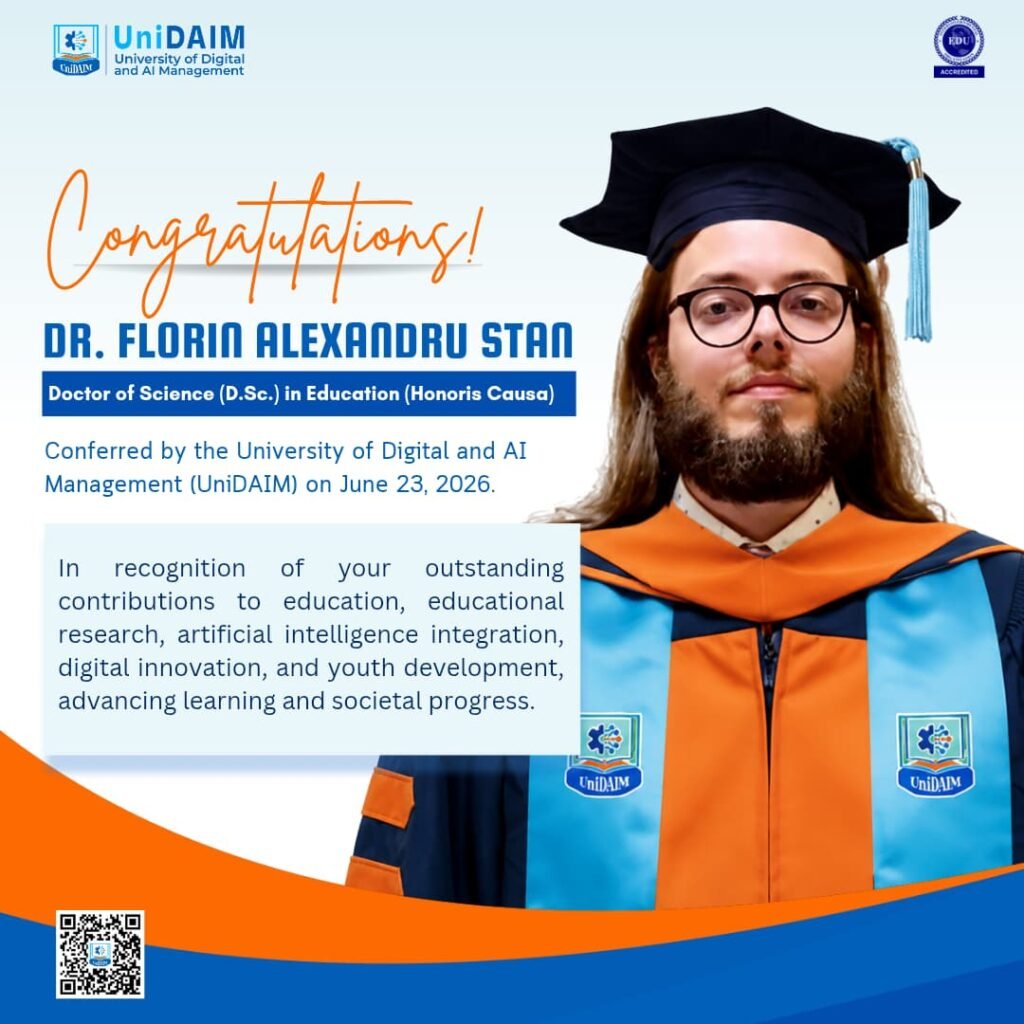
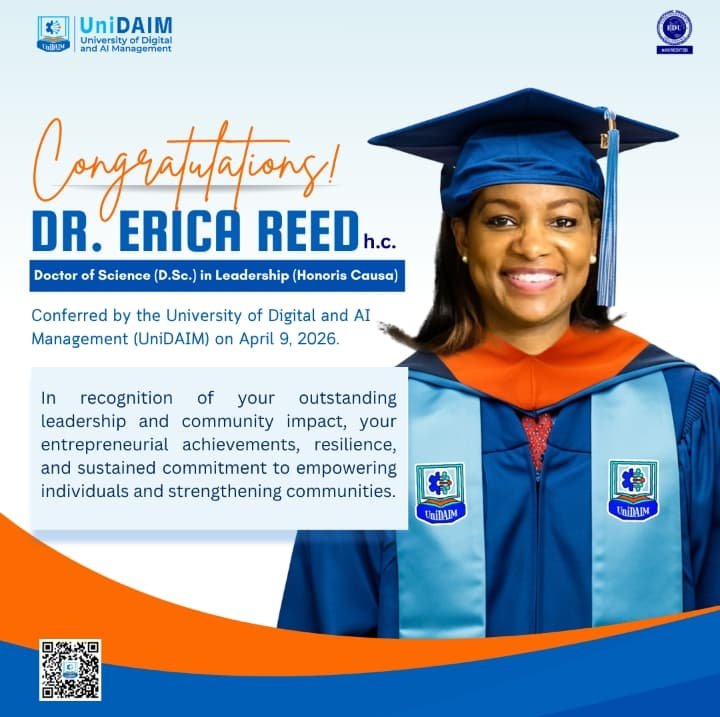
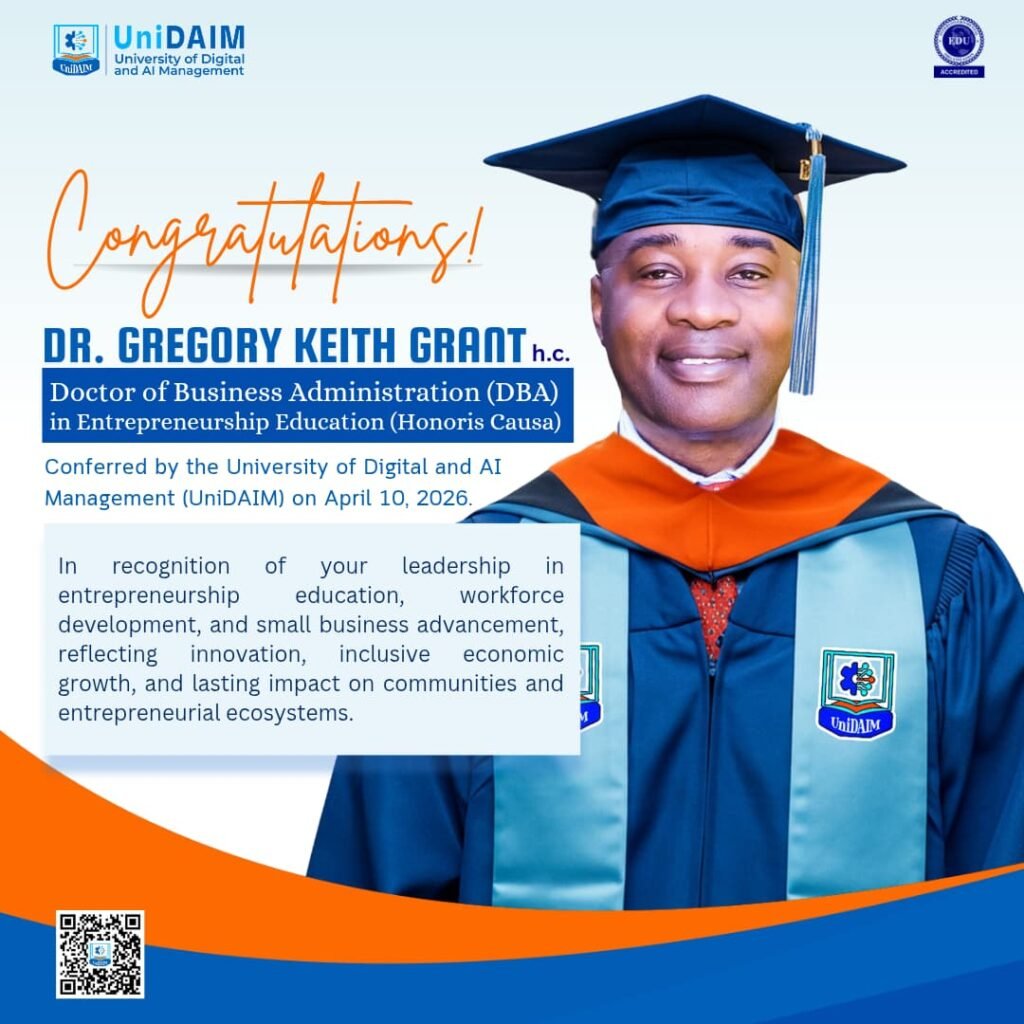
For additional examples, visit the UniDAIM Awards section.
Honorary Degree vs Regular Degree
| Feature | Honorary Degree | Regular Degree |
| Earned Through Coursework | No | Yes |
| Academic Assessments | No | Yes |
| Research Requirements | No | Often Required |
| Recognition Purpose | Honors achievement and impact | Demonstrates academic completion |
| Admission Requirement | Nomination or selection | Formal admission process |
| Study Duration | Not applicable | Months or years |
| Tuition Fees | Typically not applicable | Usually required |
| Academic Credit | No | Yes |
From the table above, it’s obvious that an honorary degree differs from a regular degree in that it is awarded to recognize an individual’s achievements, leadership, innovation, or contributions to society rather than academic study.
A regular degree is earned through coursework, examinations, and other academic requirements. While both are conferred by universities, an honorary degree serves as a symbolic recognition of impact, whereas a regular degree represents the successful completion of a formal educational program.
If you are interested in earning an academic qualification, explore our academic programs.
FAQs
Conclusion
Honorary degrees provide universities with an opportunity to recognize individuals whose achievements, leadership, innovation, and service have created meaningful impact.
Whether awarded online or offline, legitimate honorary degrees involve a structured evaluation process rather than automatic approval.
If you are interested in pursuing an honorary recognition, start by researching reputable institutions, understanding eligibility requirements, and preparing information that demonstrates your contributions and accomplishments.
By following the proper process, deserving individuals can receive recognition that reflects their lasting impact on society, industry, education, and innovation.
SHARE