
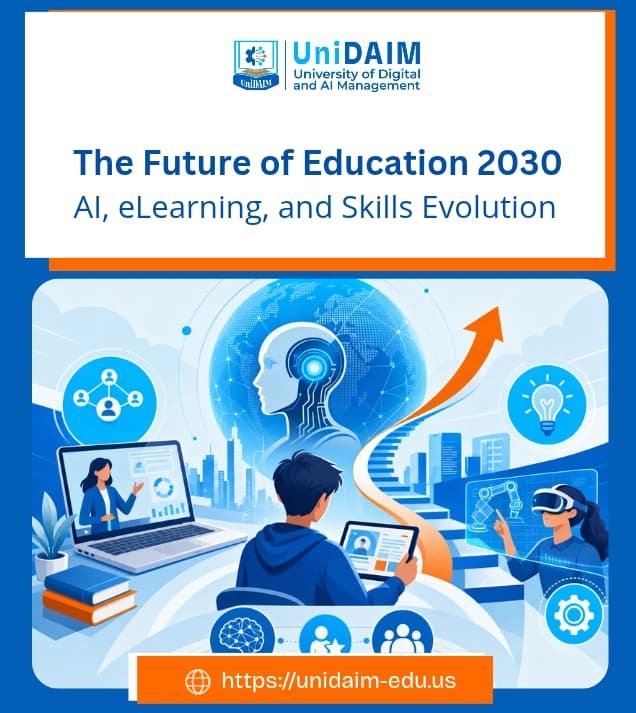
We are at one of the most pivotal moments in the history of education.
The systems you have relied on for decades—structured classrooms, standardized curricula, and linear career paths—are being reshaped at an unprecedented pace.
By 2030, education will no longer be defined by location, age, or traditional qualifications, but by adaptability, personalization, and continuous growth.
To grasp the urgency of this shift, consider the scale of disruption already underway.
Global research from the World Economic Forum indicates that nearly half of all employees will require reskilling by 2030 due to technological change.
Also, artificial intelligence is expected to become a core component of educational delivery, enhancing quality, accessibility, and efficiency rather than merely supporting instruction.
As an executive or school leader, you are no longer preparing students for fixed roles but for an evolving and uncertain future.
This transformation demands strategic foresight, where understanding AI, online learning, and future skills becomes essential to effectively leading education into the next decade.
- Overview of The Future of Education 2030
- The Rise of Artificial Intelligence in Education
- Online Learning Becomes the New Normal
- Lifelong Learning and Continuous Upskilling
- The Role of Teachers in 2030
- Emerging Technologies Shaping Learning
- Global Access and Education Equity
- Challenges and Ethical Considerations
- Preparing Students for the Future Workforce
- Shape Your Future with UniDAIM
- Conclusion
Overview of The Future of Education 2030
Before exploring the details, it’s essential to understand the broader shifts shaping education by 2030.
The table below provides a structured overview of key areas, highlights what will change, and outlines the strategic implications these transformations hold for stakeholders.
| Key Area | What Will Change by 2030 | Strategic Implication for Leaders |
| Artificial Intelligence | Personalized learning, automated grading, predictive analytics | Invest in AI infrastructure and teacher training |
| Online Learning | Fully integrated hybrid and global classrooms | Redesign delivery models for flexibility and scale |
| Skills Development | Shift to lifelong learning and micro-credentials | Build continuous learning ecosystems |
| Role of Teachers | From instructors to mentors and facilitators | Prioritize professional development and digital fluency |
| Learning Technologies | Adoption of VR, AR, and adaptive platforms | Allocate budget for immersive and data-driven tools |
| Access & Equity | Expanded access but persistent digital divide | Implement inclusive policies and infrastructure |
| Ethics & Governance | Increased focus on data privacy and AI bias | Establish strong ethical frameworks |
| Workforce Preparation | Emphasis on soft skills and adaptability | Align curricula with future job market demands |
This overview highlights a critical reality: transformation is not isolated—it is interconnected.
Every decision you make in one area will influence outcomes in another.
Successfully navigating this landscape requires a holistic, forward-thinking approach.
The Rise of Artificial Intelligence in Education
Artificial intelligence will redefine how learning is delivered and experienced.
AI-driven systems will enable deeply personalized learning pathways, adjusting content, pace, and assessment based on each student’s progress and learning style.
This is no longer theoretical—adaptive learning platforms already show measurable improvements in retention and engagement.
Beyond personalization, AI will automate time-consuming administrative tasks such as grading, attendance tracking, and performance analytics.
This allows educators to focus on high-impact activities like mentorship and critical thinking development.
According to McKinsey and Company, automation could reduce teachers’ administrative workload by up to 40%, fundamentally reshaping productivity in education.
Online Learning Becomes the New Normal
Online learning is already becoming normalized, but by 2030, it will be the default rather than the alternative.
Virtual classrooms will evolve into fully immersive ecosystems where learners collaborate globally in real time.
Geographic barriers will no longer limit access to quality education.
The flexibility of online learning will also redefine institutional models.
Hybrid systems—combining physical and digital experiences—will dominate.
Data from HolonIQ suggests that the global e-learning market could exceed $1 trillion by 2030, driven by demand for accessibility and scalability.
As a leader, your ability to integrate these models effectively will determine your institution’s relevance.
Lifelong Learning and Continuous Upskilling
There is a growing need to shift the mindset from education as a phase to education as a continuous journey.
By 2030, the concept of “finishing school” will be obsolete.

Professionals will engage in ongoing learning cycles to remain competitive in rapidly evolving industries.
This shift is already evident. The World Economic Forum reports that critical skills such as analytical thinking, creativity, and technological literacy are evolving faster than traditional curricula can keep up.
As a result, micro-credentials, certifications, and modular learning pathways will become central to education systems.
Your role will involve building ecosystems that support continuous upskilling rather than one-time qualification.
The Role of Teachers in 2030
There is a need to redefine what it means to be an educator.
Teachers will transition from being primary sources of knowledge to facilitators of learning experiences.

Their value will lie in guiding students through complex problem-solving, fostering critical thinking, and nurturing emotional intelligence.
Technology will not replace teachers—it will amplify their impact.
Educators will leverage AI insights to better understand student needs and tailor their approaches accordingly.
Research from the Organisation for Economic Co-operation and Development (OECD) highlights that future teachers must develop competencies in adaptability, collaboration, and digital fluency.
As a leader, investing in teacher development will be just as critical as investing in technology.
Emerging Technologies Shaping Learning
A wave of technologies will transform how students engage with knowledge.
Virtual Reality (VR) and Augmented Reality (AR) will create immersive learning environments where abstract concepts become tangible experiences.
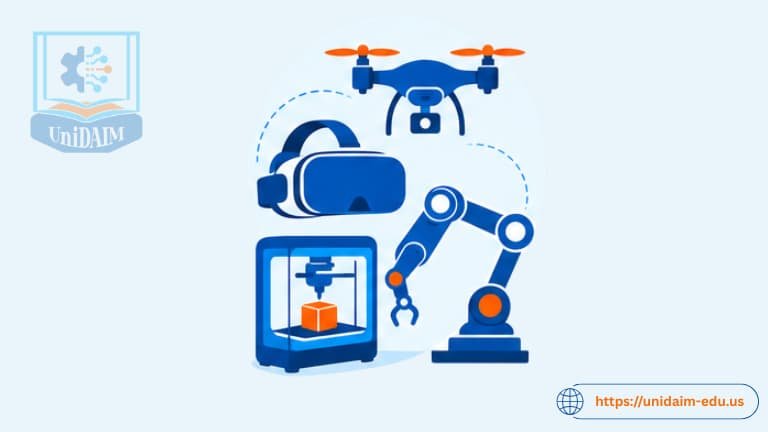
Imagine students exploring historical events or conducting scientific experiments in fully simulated environments.
Adaptive learning platforms will further refine personalization, using data analytics to continuously optimize content delivery.
Blockchain may also play a role in credential verification, ensuring transparency and portability of qualifications.
According to PricewaterhouseCoopers (PwC), immersive technologies alone could add billions in value to global education by enhancing engagement and comprehension.
Global Access and Education Equity
Reality presents both an opportunity and a responsibility.
Technology has the potential to democratize education, making high-quality learning accessible to underserved populations worldwide.
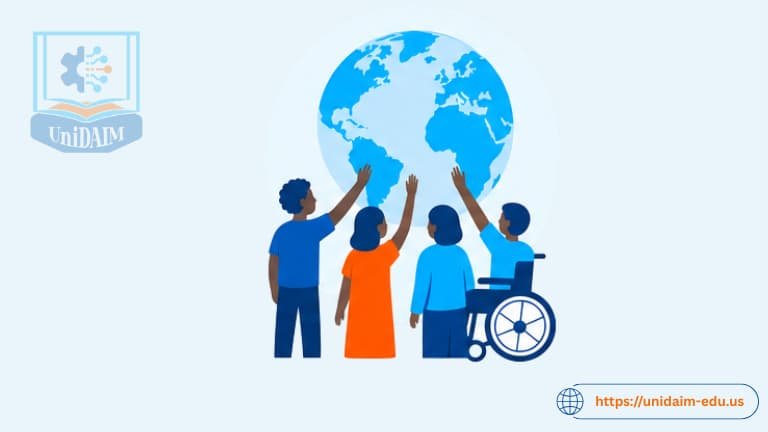
Mobile learning, low-cost internet solutions, and open educational resources are already expanding access.
However, the digital divide remains a critical challenge.
A 2021 United Nations publication estimates that nearly 3 billion people still lack reliable internet access.
Without deliberate intervention, technological advancement could widen inequality rather than reduce it.
As a decision-maker, your strategies must prioritize inclusivity, ensuring that innovation benefits all learners, not just the privileged.
Challenges and Ethical Considerations
The ethical complexities that come with technological integration cannot be ignored.
Data privacy will become a central concern as AI systems collect and analyze vast amounts of student information.
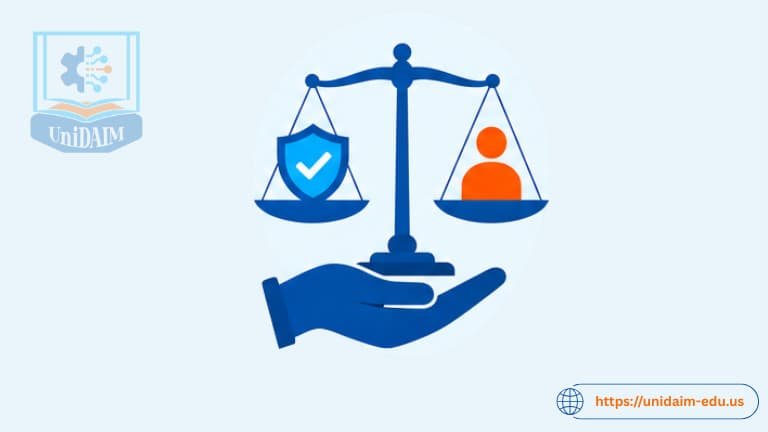
Ensuring transparency and security will be non-negotiable.
Bias in AI algorithms also presents a significant risk.
If not carefully managed, these systems could reinforce existing inequalities.
Furthermore, the over-reliance on technology may impact human interaction and social development.
According to research by the Brookings Institution, ethical governance frameworks will be essential to guide responsible AI use in education.
Your leadership must balance innovation with accountability.
Preparing Students for the Future Workforce
Ultimately, students are being prepared for a workforce that does not yet fully exist.
Technical skills alone will not be sufficient. Employers are increasingly prioritizing competencies such as critical thinking, creativity, emotional intelligence, and adaptability.
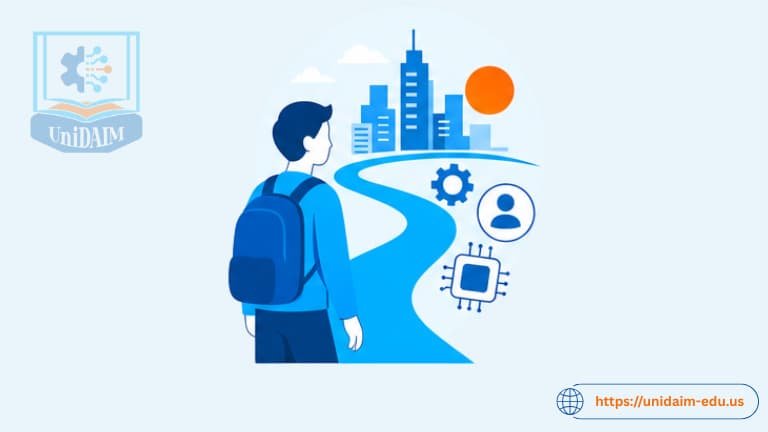
The OECD Learning Compass emphasizes student agency—the ability to navigate uncertainty and shape one’s own future.
By 2030, interdisciplinary learning and real-world problem-solving will become central to curricula.
You will need to foster environments where students can experiment, collaborate, and innovate. This shift is not optional; it is essential for long-term relevance.
Conclusion
This is not just an observation of the future of education—it is a role in shaping it.
The decisions you make today will determine how effectively your institution adapts to the demands of 2030 and beyond.
This transformation is not simply about adopting new technologies; it is about rethinking the purpose and delivery of education itself.
Evidence from global studies, including an OECD publication, consistently shows that systems embracing innovation while maintaining strong human-centered values achieve the best outcomes.
As you integrate AI, expand online learning, and prioritize future skills, your leadership must remain grounded in equity, ethics, and long-term vision.
The future of education will reward those who are proactive, informed, and adaptable.
By aligning your strategies with these emerging trends, you position your institution—and your learners—not just to survive change, but to lead it.
SHARE