
You may have learned more outside the classroom than you ever learned inside one.
Years of professional work, managing projects, building a business, conducting research, or solving complex problems can develop knowledge and competencies comparable to formal academic learning.
The challenge is knowing how to have that learning formally assessed.
Recognition of Prior Learning (RPL) provides a framework for evaluating knowledge and skills acquired through work experience, professional training, independent study, and other forms of experiential learning.
One approach used for this purpose is Validation of Acquired Experience (VAE), which originated in France and provides a structured way of assessing experience against academic requirements.
Today, some institutions offer RPL and VAE applications online, allowing experienced professionals to submit their evidence without attending conventional classes.
If you are considering this pathway, here are six steps to help you understand how the process works.
Step 1: Understand What RPL Means
Recognition of Prior Learning (RPL) is not simply a way to exchange years of employment for a degree.
The fundamental principle is the assessment of learning.
Your professional experience may have given you knowledge in areas such as management, research, technology, entrepreneurship, leadership, communication, strategy, or another specialized field.
However, an RPL assessment needs to establish what you actually learned and what competencies you developed.
This distinction is important.
Someone may have worked in an industry for 15 years without necessarily demonstrating the learning outcomes required for a particular degree.
Another professional with fewer years of experience may have managed complex projects, developed innovative solutions, conducted research, or assumed significant leadership responsibilities that demonstrate advanced competencies.
A credible RPL pathway therefore looks beyond the length of your employment history.
It examines the depth, relevance, complexity, and evidence of your learning.
Step 2: Identify Your Degree Level
The next step is determining whether your prior learning is appropriate for bachelor’s, master’s, or doctoral-level recognition.
These levels are not interchangeable.
A bachelor’s-level assessment generally focuses on foundational and applied knowledge, professional competence, and the ability to apply knowledge to practical situations.
A master’s-level assessment typically requires evidence of more advanced expertise, independent problem-solving, strategic thinking, and substantial professional responsibility.
Doctoral-level recognition requires an even deeper level of expertise.
Depending on the field and institutional requirements, this may involve evidence of advanced research, original contributions, significant professional leadership, specialized knowledge, or sustained work at a doctoral level.
This is why simply saying, “I have worked for many years,” is not enough.
Your experience should be considered in relation to the learning outcomes of the degree you are seeking.
For example, UniDAIM’s VAE pathway provides separate routes for bachelor’s, master’s, and doctoral degrees based on the applicant’s existing experience, qualifications, and evidence of competence.
Before applying, review the requirements for the specific degree rather than assuming that your experience automatically qualifies you.
Step 3: Prepare Your RPL Portfolio
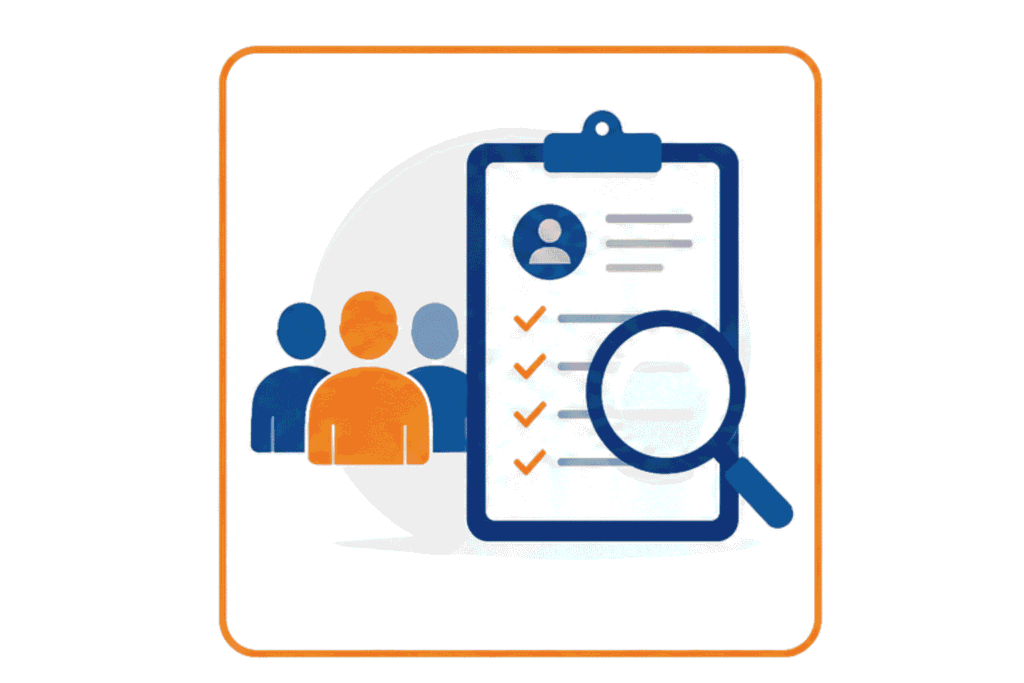
Your portfolio is usually the most important part of an RPL or VAE application.
Think of it as an academic presentation of your professional learning.
A CV tells an institution where you worked and what positions you held.
A portfolio goes further. It explains what you learned, what you did, what results you achieved, and how your experience relates to the academic requirements of the degree.
Depending on your background and the program, evidence may include:
- Professional projects and reports
- Leadership and management responsibilities
- Research work and publications
- Professional certifications
- Training and continuing education
- Business ventures and entrepreneurial activities
- Curriculum or assessment materials
- Technical or creative work
- Awards and professional recognition
- Employment and organizational records
- Evidence of measurable professional achievements
The strongest portfolios do not simply contain a large number of documents. They connect the evidence to specific competencies.
The objective is to make your learning visible.
Step 4: Submit Your Application
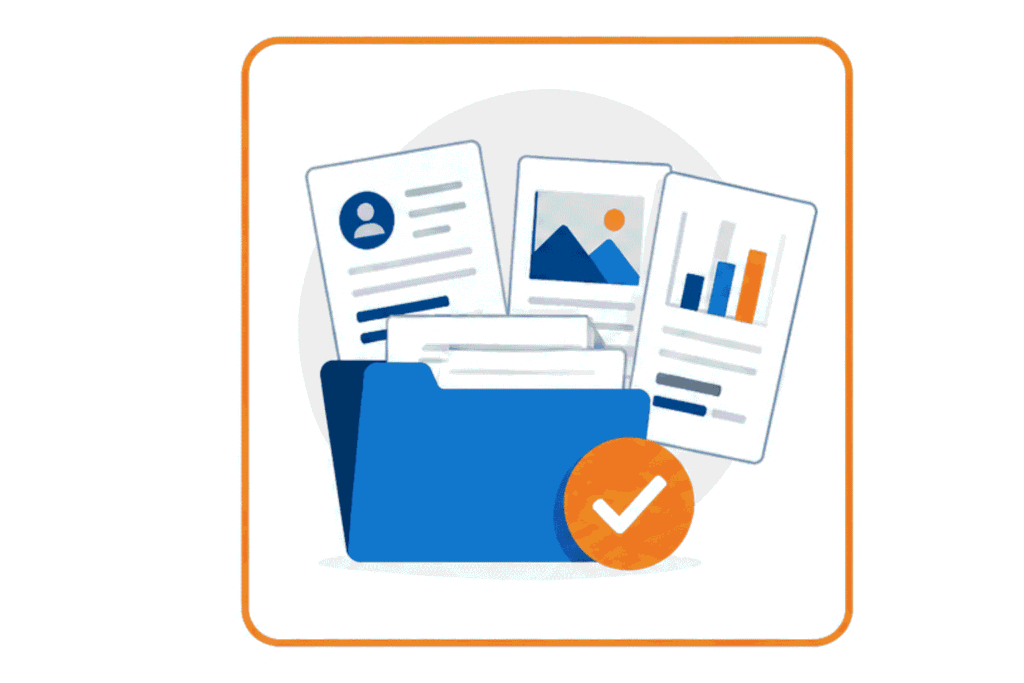
Once your portfolio is prepared, you can submit your application and supporting documentation according to the institution’s process.
An online application may typically require personal and professional information, your CV, academic qualifications where applicable, professional certifications, and your portfolio.
The evidence should be clear, relevant, and authentic.
Avoid submitting documents simply because they make your portfolio look larger.
A smaller collection of strong, relevant evidence is generally more useful than a large collection of unrelated documents.
You should also ensure that your information is consistent across your application, CV, portfolio, and supporting documents.
For applicants seeking recognition at advanced degree levels, the quality of the evidence becomes particularly important.
Your documentation should demonstrate not only experience but also the level of knowledge, independence, responsibility, and achievement associated with the qualification being assessed.
Step 5: Undergo Assessment
This is the stage that separates genuine recognition of prior learning from simply purchasing an academic credential.
Your experience should be evaluated against defined academic requirements.
Under UniDAIM’s VAE pathway, applicants’ portfolios are reviewed by a VAE Assessment Committee.
The evidence is considered in relation to the outcomes of the relevant degree program, and an assessment report is produced.
The committee’s role is therefore not simply to count the number of years you have worked.
It is to determine whether your documented knowledge and competencies correspond to the academic level and requirements of the qualification.
An assessment may result in approval, a request for additional evidence, identification of competency gaps, or another outcome depending on the institution’s policies.
This is why applicants should be cautious about services that promise a degree automatically based only on payment or years of employment.
A meaningful RPL process should have identifiable requirements, documented evidence, academic evaluation, and a clear decision-making process.
Step 6: Receive Your Qualification

If your prior learning is determined to satisfy the applicable requirements, the institution can proceed according to its established degree-award process.
At this stage, applicants should carefully review any remaining requirements before the qualification is conferred.
However, applicants should still evaluate whether the qualification meets their personal and professional objectives.
A degree can be valuable for educational progression and professional development, but recognition, licensing, employment, or promotion requirements can vary by country, employer, profession, and regulatory authority.
Who Is RPL Suitable For?
Recognition of prior learning can be particularly relevant to professionals whose education has not fully captured the knowledge they have developed through their careers.
You may consider this pathway if you have substantial experience in your field and can demonstrate your learning through credible evidence.
It can be relevant to entrepreneurs, managers, consultants, researchers, technology professionals, educators, executives, creatives, and other experienced practitioners.
The key question is not simply:
“How many years have I worked?”
A better question is:
“What have I learned, what have I achieved, and can I provide evidence of it?”
That shift in perspective is central to RPL.
Explore UniDAIM’s VAE Degree Pathways
For professionals interested in having their prior learning formally assessed, UniDAIM offers some of the best life experience degrees available at the bachelor’s, master’s, and doctoral levels.
The pathways are based on the submission and academic evaluation of evidence demonstrating professional competence and prior learning.
Eligibility and requirements differ according to the degree level, so applicants should review the relevant pathway carefully before beginning an application.
The important thing is to approach RPL as an academic assessment process, not simply as an alternative way to obtain a certificate.
Your experience has value, but the evidence needs to demonstrate that value academically.
Final Thoughts
Recognition of prior learning provides an opportunity to bring professional learning into the academic system.
The process begins with identifying the right qualification and continues through portfolio development, evidence submission, academic assessment, and the completion of any applicable requirements.
For experienced professionals, this can provide an alternative to starting a conventional degree program from the beginning.
If you are considering a VAE pathway, take time to assess your experience honestly.
Organize your evidence carefully. Choose a degree level that reflects your actual competencies.
Most importantly, look for an institution that explains how prior learning is evaluated rather than simply promising a qualification.
Your career may already contain years of learning.
RPL and VAE provide a structured way to document, evaluate, and potentially recognize that learning.
SHARE